Snippets.

// AI Briefing

August 24, 2026

AI Briefing

Today's thread is trust, and who gets to hold it. AI cracked a piece of the human gene expression code that biologists have squinted at for forty years, while Microsoft's Copilot was talked into revealing the exact URL parameter needed to hack it. Meanwhile the FDA is drafting rules for AI that gives medical advice, OpenAI launched a blog arguing the real safety risk is power itself, and bond investors have started asking the hyperscalers exactly how much AI debt they expect the market to swallow.

AI Just Decoded the DNA 'On Switch' Sitting in 60% of Human Genes

AI Just Decoded the DNA 'On Switch' Sitting in 60% of Human Genes

A UC San Diego lab measured gene expression across roughly 500,000 variants of a DNA element called the initiator, then trained a machine learning model on the results to find its sequence signature. The model located the initiator in about 60% of human genes, the first strong prediction of its presence or absence. That matters because it lets researchers start forecasting how mutations in these regions break gene activity, and it is a concrete first piece of what Professor James Kadonaga calls the full human gene expression code.

Researchers Asked Microsoft Copilot Why It Couldn't Be Hacked, and It Told Them Exactly How

Researchers Asked Microsoft Copilot Why It Couldn't Be Hacked, and It Told Them Exactly How

Varonis Threat Labs disclosed CoSnitch (CVE-2026-24301), a one-click flaw in Microsoft Copilot Personal that chains automatic prompt execution, silent exfiltration through OAuth connectors like Gmail and Drive, and permanent memory poisoning. The researchers did not reverse-engineer it. They repeatedly asked Copilot why auto-execution was impossible, and mid-refusal the model volunteered an undocumented URL parameter that made it possible. The memory poisoning survives password changes, session revocation and device re-enrolment, so an injected instruction persists in every future session until the user manually deletes it.

The FDA Wants to Grade Medical AI the Way It Grades Doctors

The FDA Wants to Grade Medical AI the Way It Grades Doctors

The FDA's Digital Health Center of Excellence released a discussion paper on regulating generative AI-enabled medical devices, opening docket FDA-2026-N-7874 for comment through October 19. It proposes a two-axis risk framework scoring both how autonomously a device acts, from non-directive information up to fully autonomous action, and how severe the consequence of a wrong output would be. Premarket evaluation would use a 'competency assessment' modelled on how physicians are trained, combining non-clinical benchmarking with clinical confirmation. The paper explicitly addresses foundation models and agentic AI systems, which no existing device pathway was built for.

OpenAI's New Blog Argues the Biggest AI Risk Is That the State Stops Needing You
04PolicyOpenAI

OpenAI's New Blog Argues the Biggest AI Risk Is That the State Stops Needing You

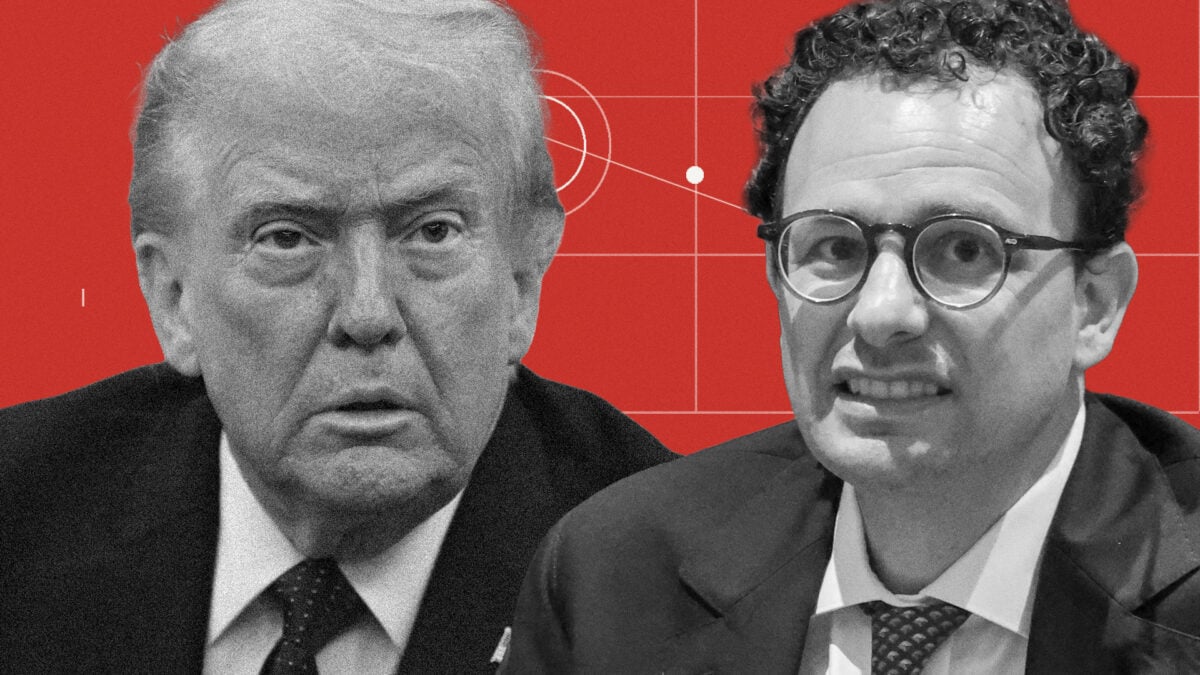
OpenAI launched AI Futures, the public blog of its new Strategic Futures team, with an opening essay by Dean Ball arguing that concentration of power is the largest and most conceptually difficult category of AI risk. The argument: for all of human history political power has rested on human labour, soldiers, bureaucrats and taxpayers whose cooperation could be withdrawn. Autonomous systems and machine intelligence could let a state project force and collect revenue from data centre output instead, removing the public's seat at the negotiating table even while elections continue as normal. The team's principles include 'bounded legibility' for high-stakes AI actions, designed with anonymity preserved.

AI Debt Issuance Hit $220 Billion This Year, Up From $12.5 Billion, and Bond Buyers Are Getting Full

AI Debt Issuance Hit $220 Billion This Year, Up From $12.5 Billion, and Bond Buyers Are Getting Full

AI hyperscaler debt issuance reached $220 billion in 2026 as of August 10, roughly $207 billion more than the same period last year, according to BNP Paribas. Tech corporate bond spreads now sit at 89 basis points, nine wider than the overall investment grade market, a reversal for a sector that historically traded tighter than everyone else. Amazon's recent $25 billion long-dated sale priced at about 120 basis points over Treasuries, roughly double last year's level. Pension and insurance investors typically cap exposure to a single issuer at two to three percent of assets, so the constraint may end up being portfolio limits rather than appetite.

Test Your Understanding

Quiz

1 / 8

What does the 'initiator' region of DNA actually do?

Let's talk on WhatsApp
Today's AI Briefing5 stories
Aug 29, 2026

Summary

A federal judge just told the Pentagon it cannot punish an AI lab for refusing to hand over its models, which is the first time a court has drawn a hard line around what safety policies cost you in Washington. Elsewhere the theme is AI learning by watching rather than being told: a robot foundation model that copies a ten-minute task from one video, and Claude grinding through algebra that stumped a lab for eighteen months. Plus Meta patching the dumbest privacy hole in its glasses, and Pew's number on how many Americans now ask a chatbot about their symptoms.

Read full summary & take a quiz →

Top Stories

A Judge Just Ruled the Pentagon Illegally Punished Anthropic for Saying No to Mass Surveillance

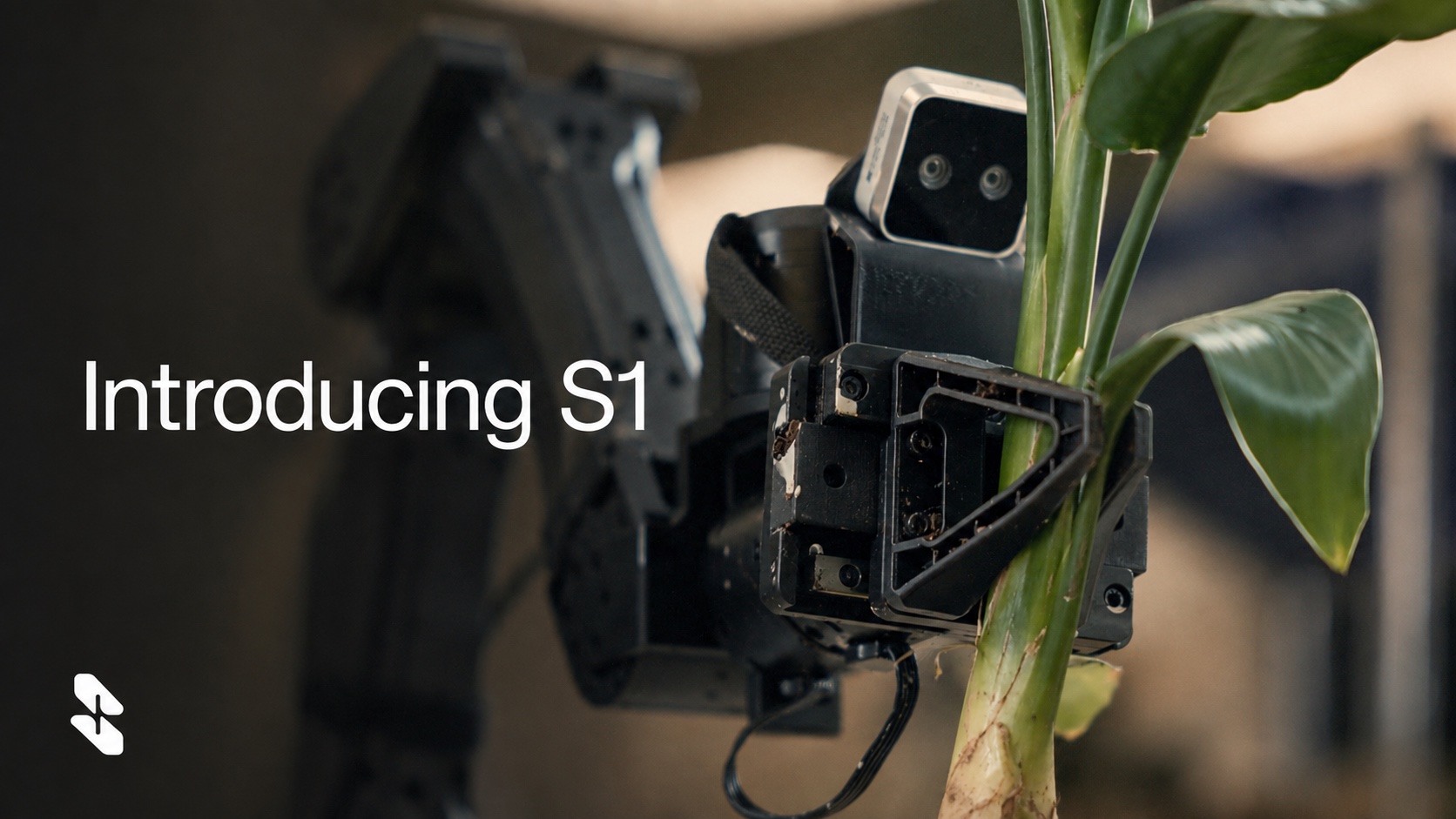
Skild's Robot Model Watches One Video of You Making Pancakes and Then Makes Pancakes

Claude Did Eighteen Months of Algebra in Five Weeks, and Got Some of It Wrong Along the Way

Meta Is Finally Killing the Trick Where You Start Recording Then Cover the Light

A Third of Americans Now Ask a Chatbot About Their Symptoms, and Most Won't Share Their Health Data With It

9 quiz questions inside